
AGMA Member CompanySince 1946East Walpole, MA
CNC MACHINING FOR CUSTOM INDUSTRIAL COMPONENTS
Commercial Gear & Sprocket provides custom CNC machining and manufacturing for gears, sprockets, shafts, splines and related power transmission components. From machining customer-supplied blanks to supporting a more complete manufacturing process, we combine CNC turning, turn/mill capability, 4-axis milling, specialized gear manufacturing and inspection to produce components to customer drawings and requirements.
For OEM, MRO, replacement and production requirements, our East Walpole, Massachusetts facility brings machining and specialized gear manufacturing together under one experienced team.
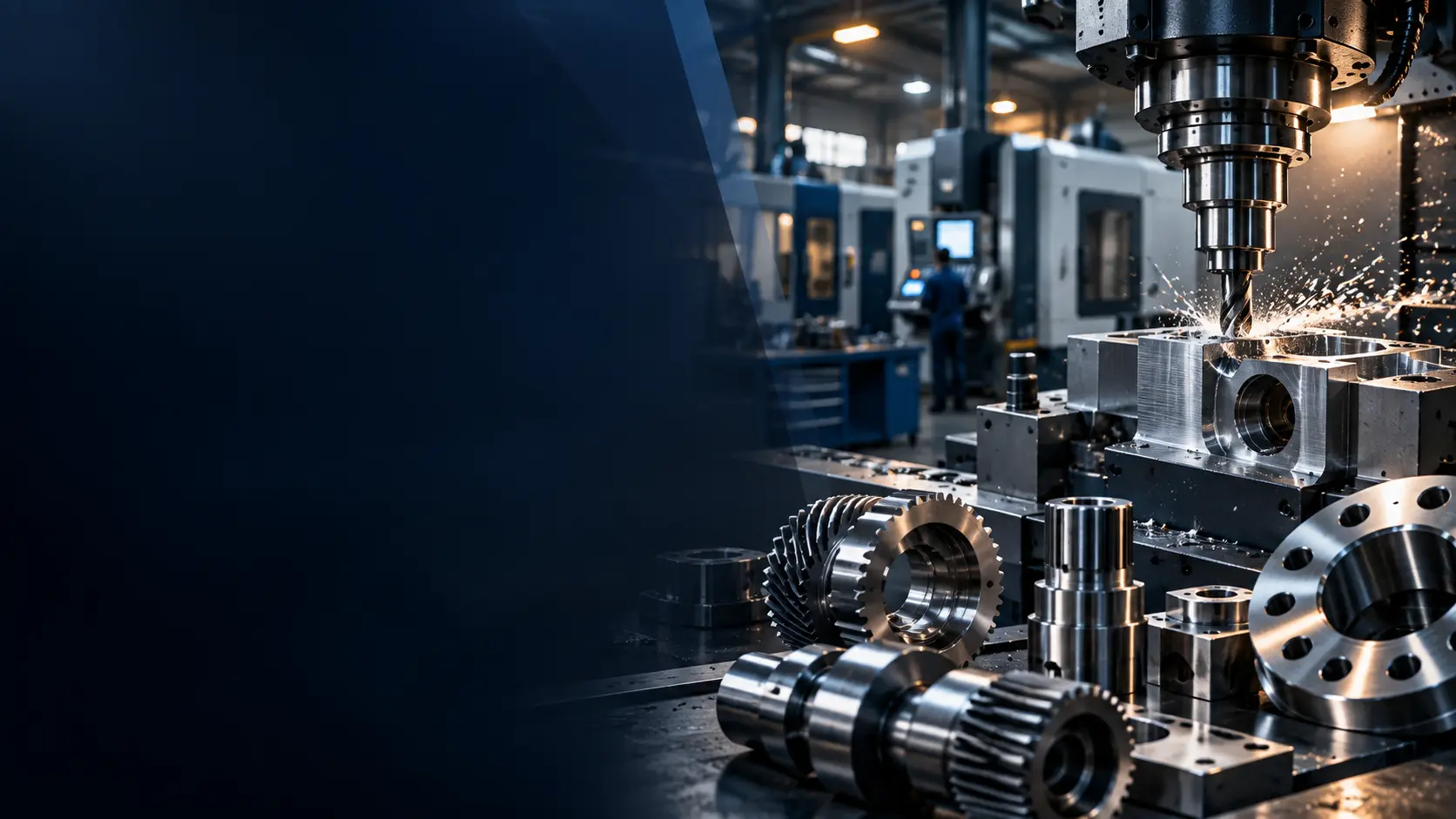
LYNX 220LMS · OP 10 · RUNNING
O2026 (GEAR BLANK · OP 10)
G20 G40 G80 G90
T0101 (TURN OD · ROUGH)
G96 S650 M03
G00 X4.250 Z0.100
G71 U0.080 R0.020
T0303 (BORE · FINISH)
G01 X1.2500 F0.004
M01 (CHECK BORE Ø1.2500)
T0505 (LIVE TOOL · KEYWAY)
G01 Z-1.750 F0.006
M30 (READY FOR HOBBING)
80 Years in Business
Manufacturing custom industrial components since 1946.
CNC Turning + Turn/Mill
Modern CNC lathes including live tooling, sub-spindle and bar-feed capability.
4-Axis CNC Milling
CNC vertical milling for complex machined features.
Machining + Gear Cutting
Machining can be integrated with specialized gear manufacturing.
Prototype Through Production
Support for single prototypes, short runs and production quantities.
Made in USA
Manufactured in East Walpole, Massachusetts.
From machined blanks to finished power transmission components
Commercial Gear’s machining capability is built around the components we have manufactured for industrial customers for generations. Instead of treating machining and gear cutting as unrelated operations, we use them as complementary stages of the same manufacturing project.
That can reduce the need to move a component between separate machining and gear-cutting suppliers — while giving our team visibility into the features that ultimately affect fit, alignment and gear geometry.
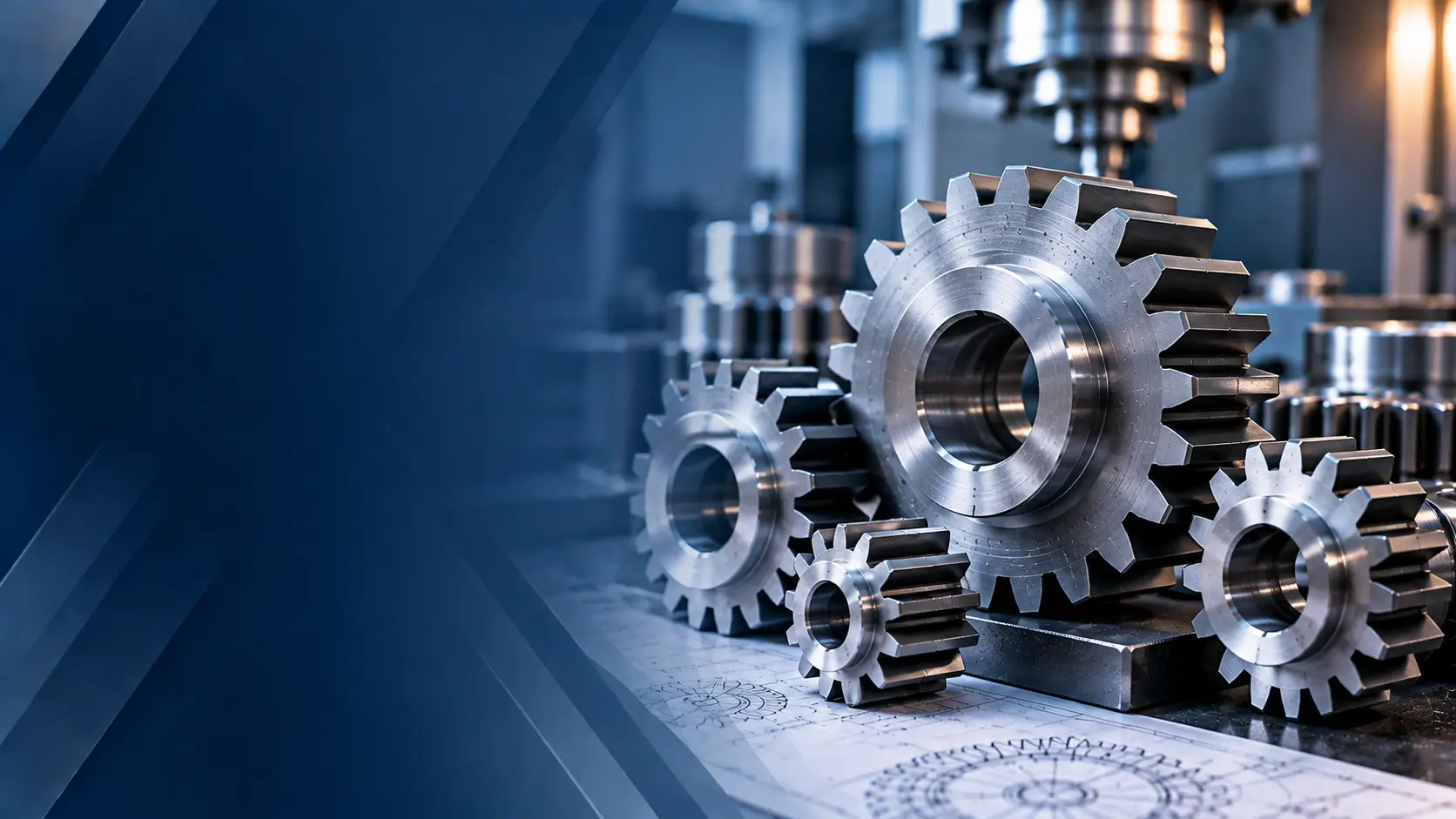
Machining for components that will become spur gears, helical gears, bevel and miter gears, worm gears and other custom gearing.
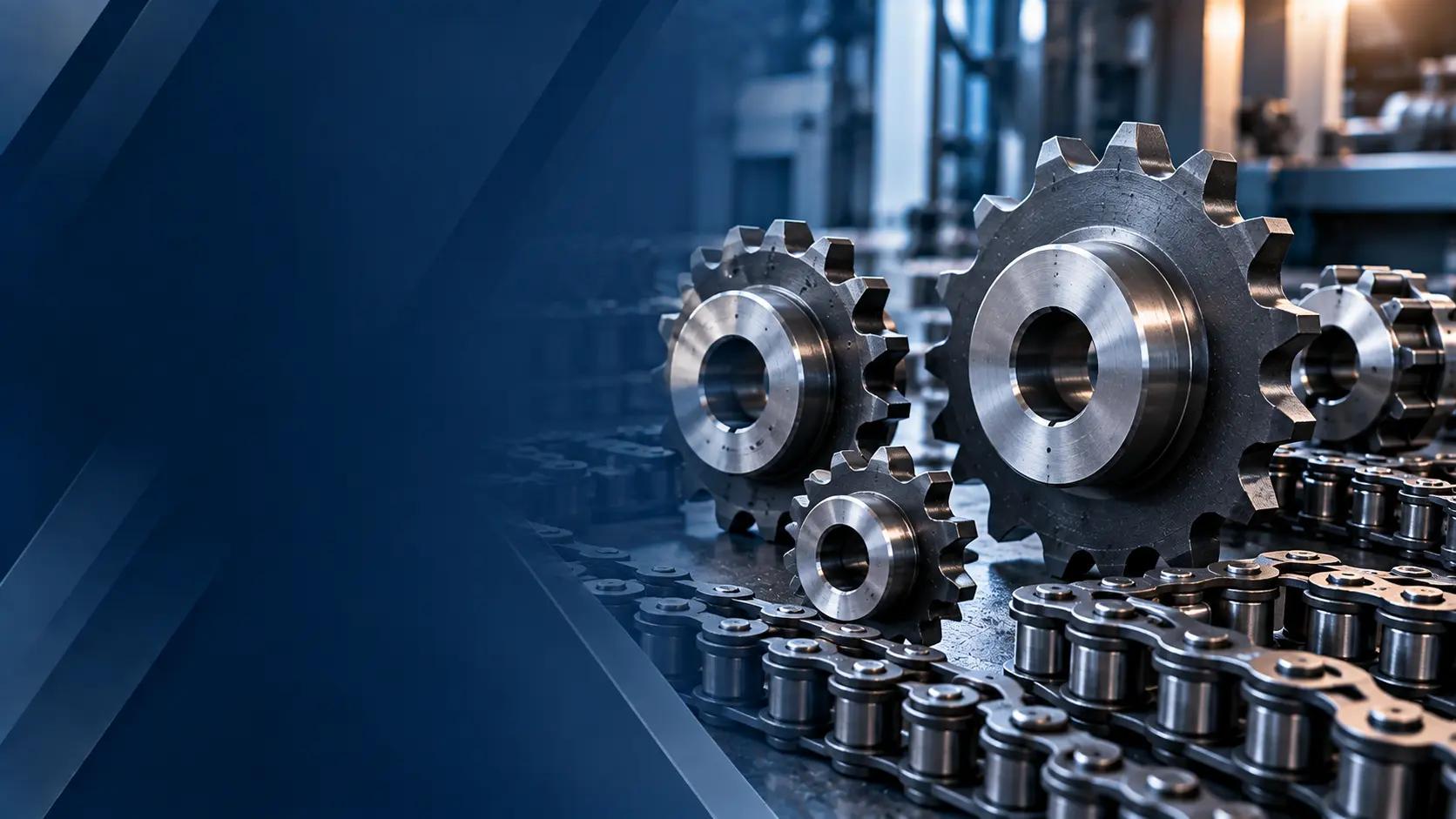
Custom sprocket manufacturing and machining, including modification of sprocket features for application-specific requirements.
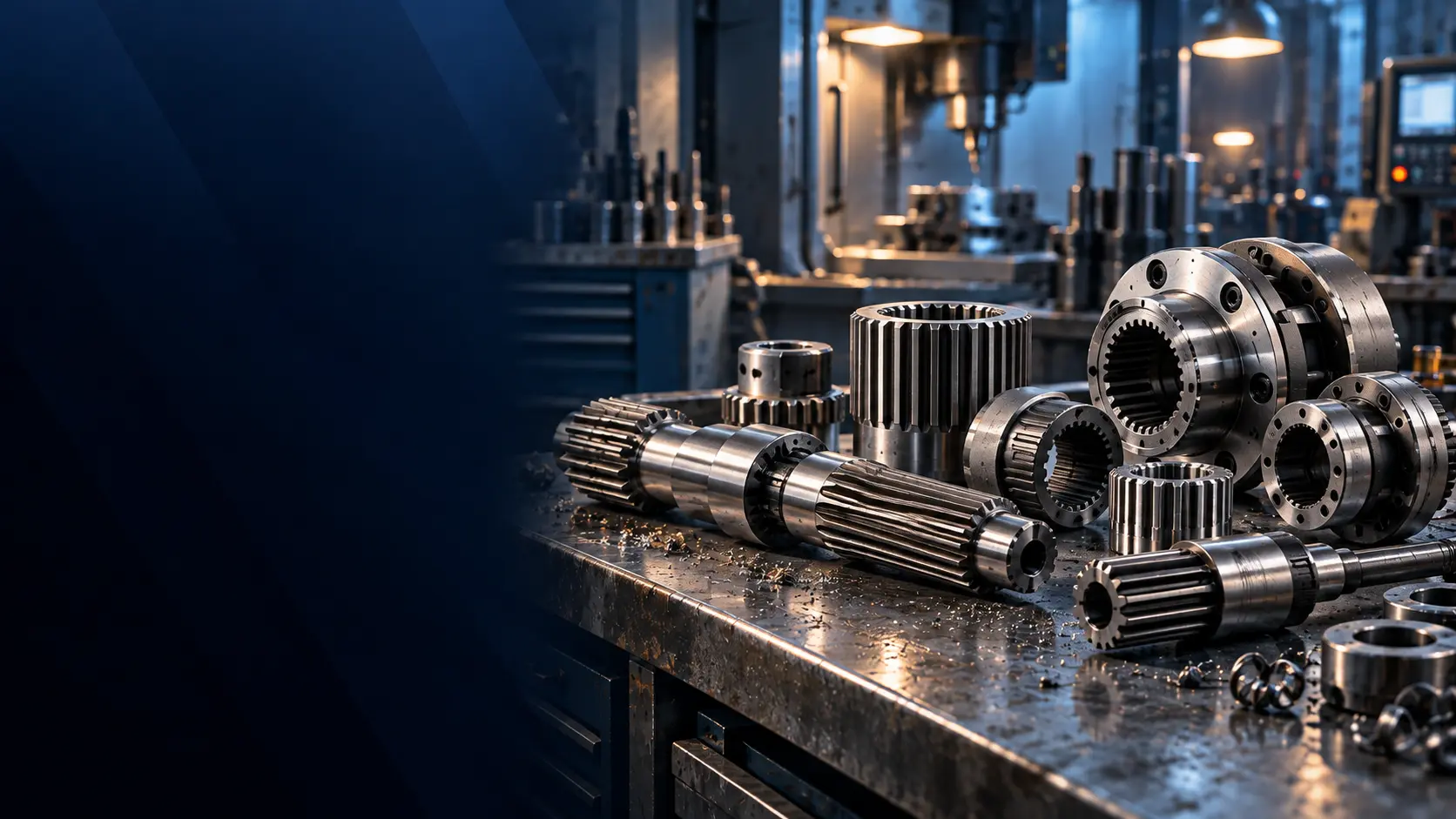
Machining of shaft-related features used with external splines, gears and power transmission assemblies.
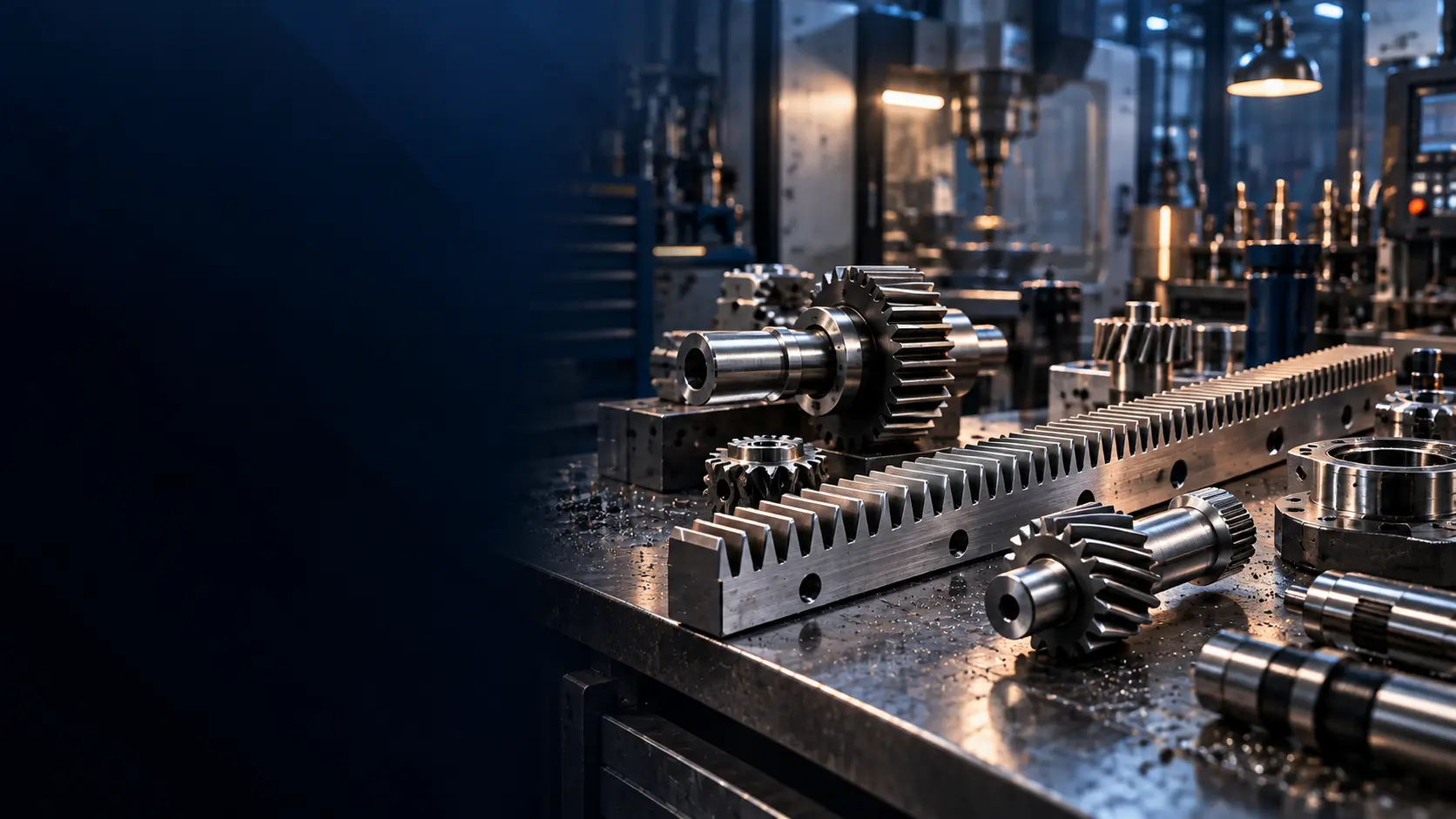
Machining coordinated with specialized rack and pinion manufacturing requirements.
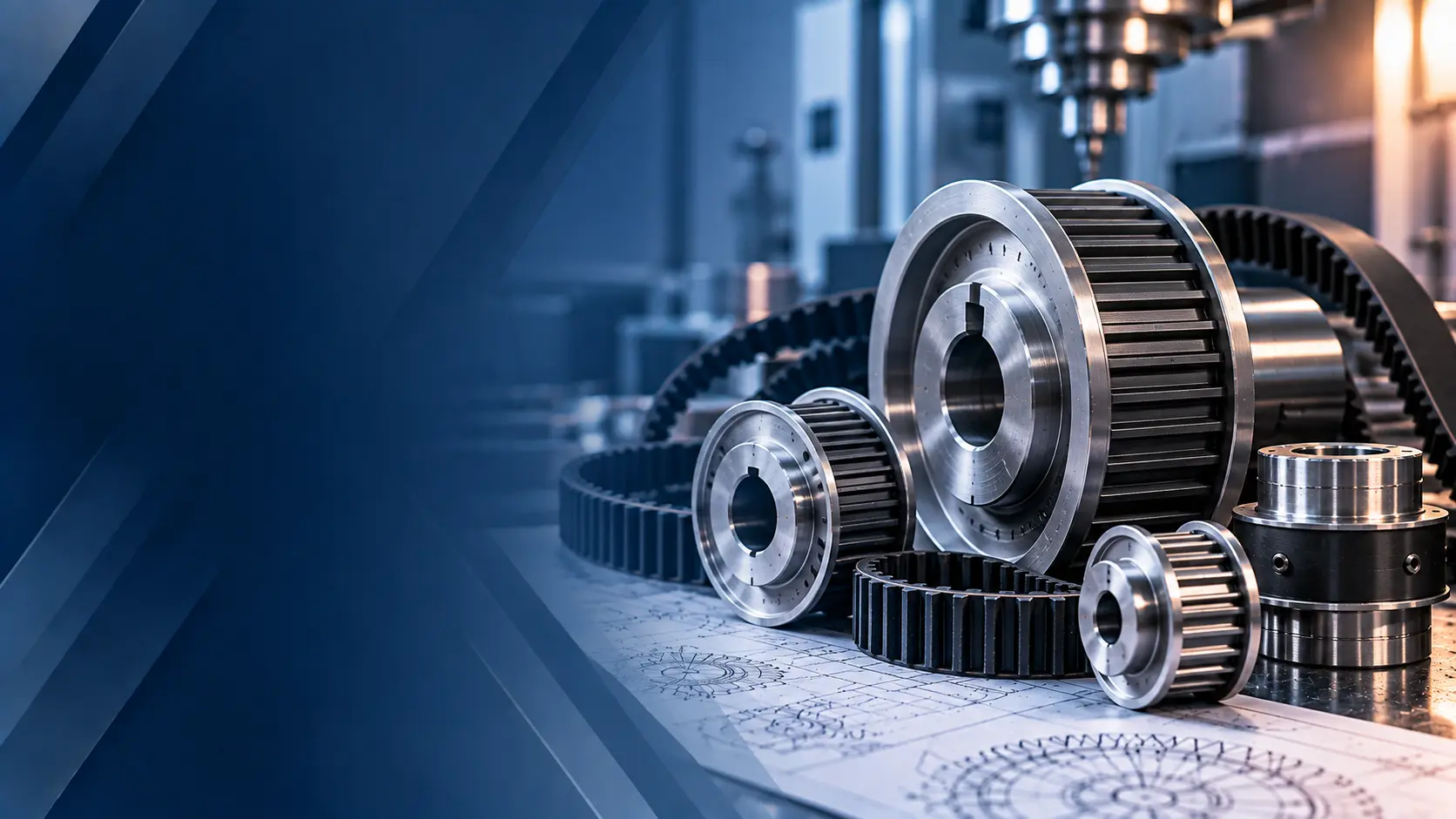
Machining of pulley features to customer drawings and application requirements.
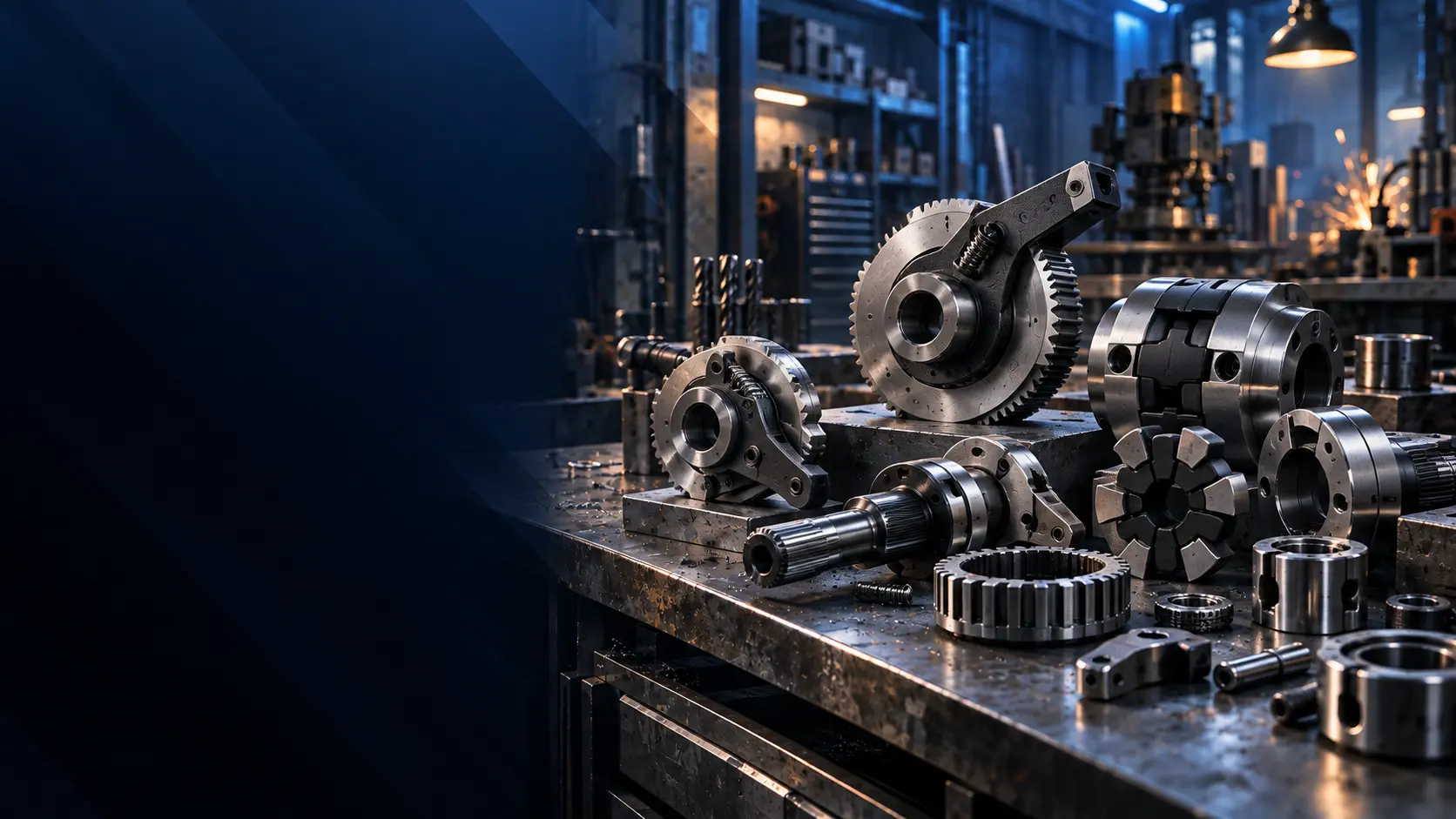
Machining integrated with Commercial Gear’s specialized ratchet and clutch cutting capability.
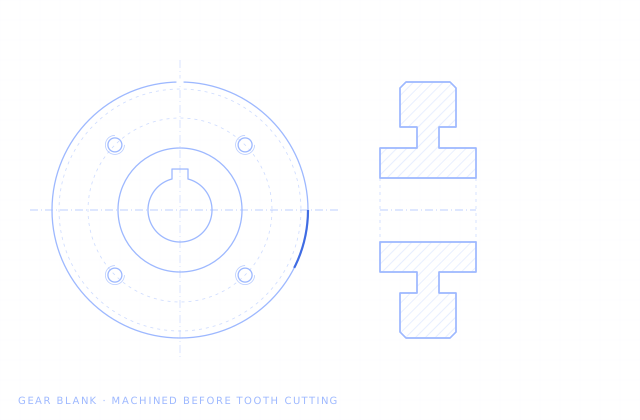
Machined features
Depending on the component drawing and manufacturing requirements, available operations can support:
We can work with customer-supplied blanks or support a broader manufacturing route when the project requires more than gear cutting alone.
CNC turning, turn/mill and 4-axis milling
Our machining floor combines CNC and conventional equipment with the specialized machines used throughout our gear manufacturing operation.
What matters is what each capability contributes to the finished component.
Doosan Lynx 220LMS
Combines turning with live-tool machining capability. We added the Lynx specifically to expand our custom machining operations for components such as gears, sprockets and splines.
Haas ST-25
Supports CNC turning workflows where bar feeding and secondary-spindle capability improve how multiple operations are handled.
CNC Turning
Haas ST-28
Adds CNC turning capacity for components suited to its workholding configuration.
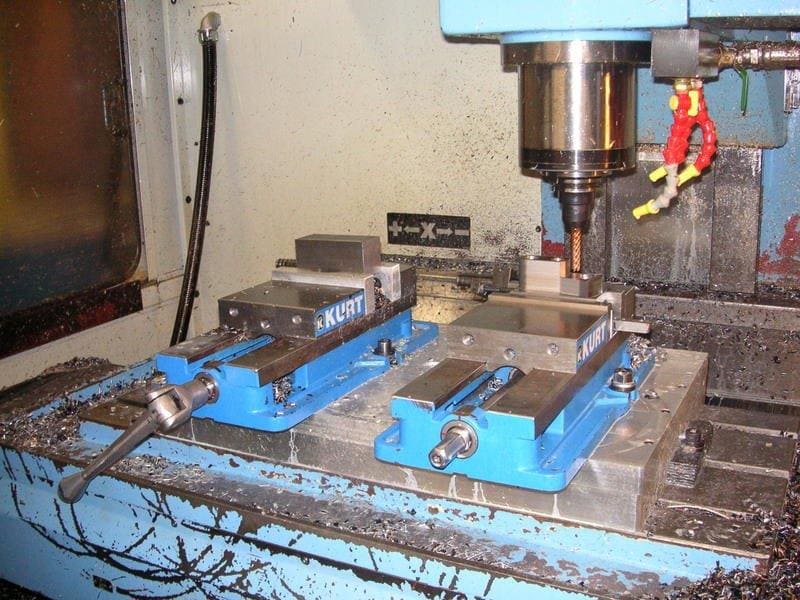
Haas VF-2YT
CNC vertical milling with fourth-axis capability for machined features that require more than conventional turning.
Hardinge DSM-59 · Leblond
Conventional equipment remains available alongside CNC machining where appropriate for the job.
Specialized in-house
This combination is especially valuable when a machined component also requires specialized tooth geometry or power-transmission features that a general-purpose machine shop may not produce in-house.
The same facility also contains dedicated equipment for
Machining, gear cutting and secondary operations
A custom gear or power transmission component often requires more than one manufacturing operation. We coordinate multiple stages around the requirements of the drawing rather than treating CNC machining as an isolated service.
The process begins with the drawing, CAD file, existing specifications or other available part information. Important requirements can include geometry, material, tolerances, quantity, gear data, secondary processes, inspection requirements and delivery needs.
The component is evaluated to determine which turning, milling and specialized manufacturing operations are required — and how they should be sequenced. Projects may begin with customer-supplied blanks or require a more complete manufacturing route.
Turning, turn/mill or CNC milling operations establish the component features required by the drawing and prepare gear blanks or related components for subsequent manufacturing where necessary.
When required, the part moves into our specialized manufacturing equipment for hobbing, shaping, bevel gear generation, rack cutting, spline manufacturing, thread milling or other supported gear-cutting processes.
We maintain dedicated chamfering, deburring and gear-finishing equipment. Processes not performed internally — such as specified heat treatment or metal finishing — are coordinated through outside sources as part of the route.
Inspection requirements are set by the component, drawing, purchase order and customer requirements. Completed parts are checked with the appropriate dimensional and gear-inspection methods before shipment.
Custom machining for new production and replacement parts
We support both original equipment manufacturing and maintenance, repair and operations requirements. That creates several different paths into the machining department — not every project begins with a new production drawing.
Manufacture components to customer drawings and specifications for new machinery, assemblies and ongoing production requirements.
Produce a single prototype or short production run before a requirement progresses into larger quantities.
Repeat manufacturing for established components where consistency between machining, gear cutting and inspection matters across recurring orders.
Support industrial equipment where a gear, sprocket or related component needs to be replaced to return equipment to service.
Already have blanks or partially manufactured components? Use us for the machining and specialized gear operations required to complete them.
Reduce supplier handoffs with a broader route that combines machining, specialized gear manufacturing, secondary operations and inspection.
Where our parts run
We manufacture components for applications across OEM machinery, machine tools, construction equipment, mining, power hand tools, medical equipment, defense supply chains, mass transit, rail equipment and other specialized industrial systems.
Components we have supplied range from transit-car door systems and industrial machinery to mattress-making equipment, motorized blinds, medical mechanisms and mining equipment — illustrating the range of sizes and end uses our manufacturing operation supports.
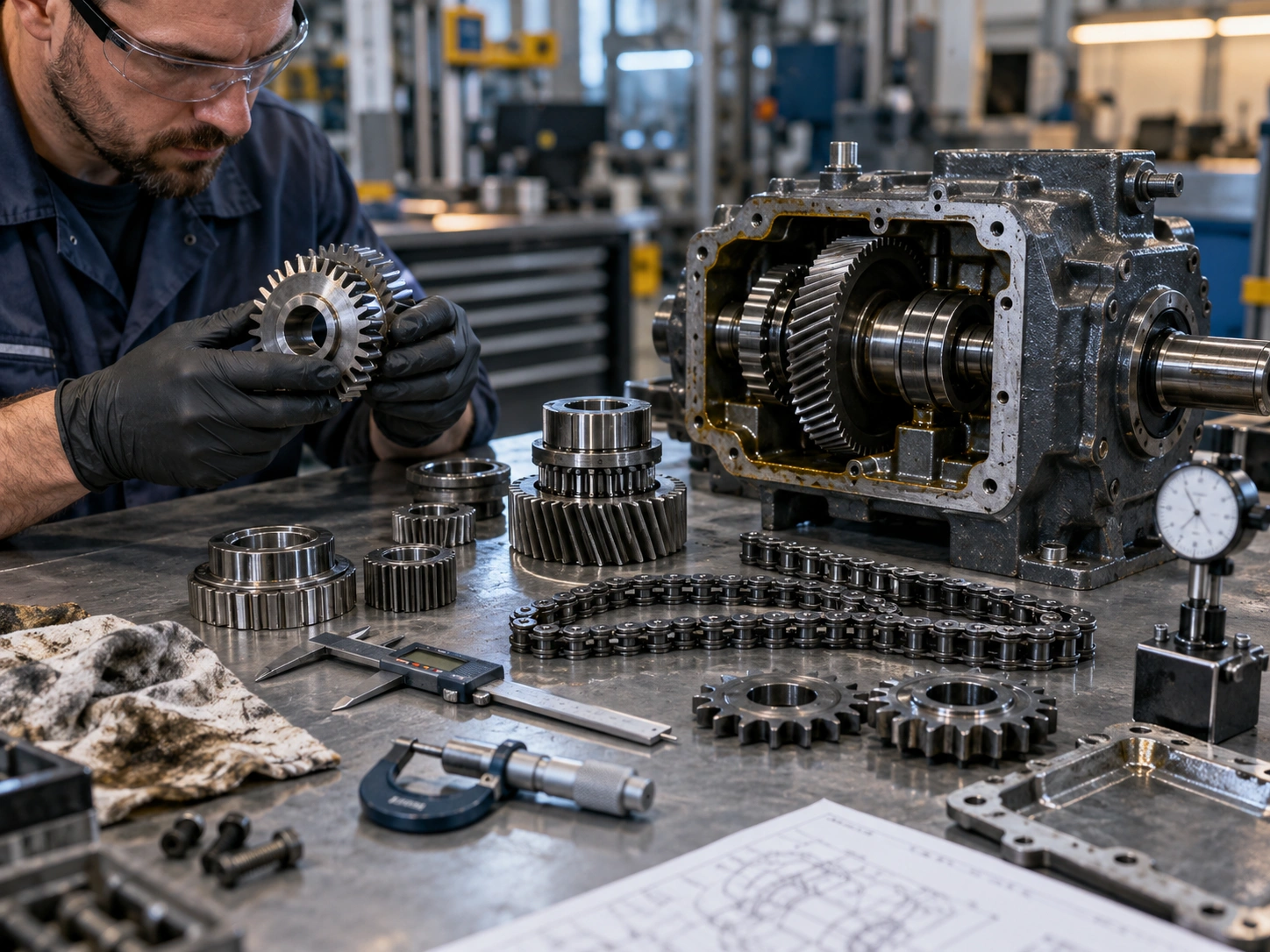
Verify the component before it leaves the shop
Machining a feature is only part of the job. The finished component must also conform to the requirements that control fit, alignment and function.
We establish inspection requirements around the customer part, drawing and purchase-order requirements. For components that combine machined features with gear geometry, we also maintain dedicated gear inspection equipment rather than relying solely on general dimensional measurement.
This equipment lets us evaluate both general component dimensions and gear-specific characteristics where the job requires it.
We follow ISO-aligned quality practices, produce to AGMA standards as required, and are an AGMA member. Our inspection capability is also used for troubleshooting — examining gear and tolerance problems when customers need to know why an existing component or assembly is not performing as expected.
Custom CNC machining quotes
The best machining quote starts with enough information to understand both the component and the manufacturing route.
We support single prototypes, short runs and production requirements. Send the available project information and our team will review the requirements.
Custom machining questions
Can’t find your answer? Call 800.491.1073 or send your drawing and we’ll help.
We provide CNC turning, turn/mill machining, CNC milling, conventional turning and machining associated with custom gears, sprockets, splines and related power transmission components. The same facility also provides specialized gear-cutting operations and dedicated inspection capabilities.
Our machining equipment includes a Haas ST-25 with bar feed and sub-spindle, a Haas ST-28 with a 12-inch chuck, a Doosan Lynx 220LMS turn/mill with live tooling and sub-spindle, and a Haas VF-2YT CNC mill with fourth-axis capability.
Yes. One of the primary advantages of our operation is access to both general machining and specialized gear-cutting equipment. Depending on the component, machining can be coordinated with hobbing, shaping, bevel gear generation, rack gearing, spline manufacturing and other supported processes.
Yes. We can work from customer blanks while also supporting a more complete manufacturing process when required.
Yes. We support projects ranging from a single prototype through short-run and production-volume requirements.
We have in-house deburring and gear-finishing equipment. When specified processes such as heat treatment or metal finishing are required but not performed internally, we coordinate them through outside sources as part of the project.
Inspection is selected according to the part and customer requirements. We maintain dimensional measurement equipment as well as dedicated gear inspection systems for characteristics such as profile, lead and composite gear inspection where applicable.
Provide the drawing or CAD file whenever possible, along with tolerance requirements, material, quantity, required delivery schedule, secondary operations and inspection requirements. Gear or power-transmission projects should also include the relevant tooth or mating-component information.